Classic Christmas - Rudolph Reindeer: A Versatile Graphic Design Icon
As a graphic designer who regularly works on seasonal campaigns, brand assets, and print-on-demand projects, I often find myself vetting design icons for real-world use. The Classic Christmas - Rudolph Reindeer caught my eye as a potential asset for a client’s upcoming holiday-themed product line. Here's how it performed in my review and what it means for your creative work.
A Warm and Festive First Impression
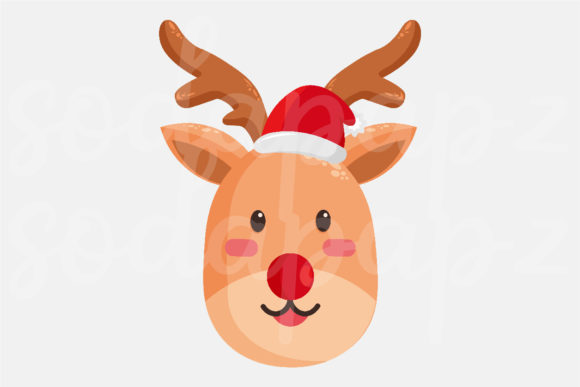
The first thing that stands out about the Classic Christmas - Rudolph Reindeer is its nostalgic charm. With a flat, simplified style, this icon exudes warmth and tradition without feeling dated. It brings to mind vintage illustrations and classic holiday motifs, but with a clean modern touch that makes it adaptable across multiple platforms. The red nose and playful expression are just right—recognizable enough to evoke joy but stylized enough to blend into a variety of visual contexts.
This kind of design naturally fits handmade businesses, boutique brands, or any project that wants to infuse a cozy, family-friendly feel. If you're working on an Etsy product, social media graphics, or packaging for a small business, this icon could be a perfect fit.
Performance in Real-World Design Applications
Let’s break down where the Rudolph Reindeer shines and where it might require some adjustments:
- Product Mockups: This icon looks great on gift tags, labels, and festive product mockups like mugs or tote bags. Its soft edges and bold color make it pop when placed on white or pastel backgrounds.
- Brand Identity: For a brand launching a seasonal campaign, Rudolph can serve as a supporting element in logo variations or themed branding elements. It adds personality without overpowering the main message.
- Packaging Design: When used in moderation, the reindeer enhances holiday packaging by adding a sense of cheer and familiarity. It’s especially effective in editorial-style gift boxes or wrapping paper designs.
- Social Media Graphics: On Instagram posts, Pinterest pins, or Facebook ads, this icon helps create a cohesive visual theme for holiday promotions. It pairs well with handwritten fonts and warm color palettes.
- Cricut Projects: As a PNG design or SVG file, Rudolph is suitable for die-cutting machines. It maintains clarity at both large and medium sizes, which is essential for stickers, ornaments, or card accents.
- Printable Wall Art: In digital illustrations or printable wall art, the reindeer serves as a decorative accent. Its simplicity allows it to integrate seamlessly into layered compositions while still standing out.
- Editorial Design: For holiday magazines, blogs, or newsletters, this icon supports themed layouts and adds a subtle emotional appeal to the content.
- Web Design: When incorporated into hero sections or banner designs, Rudolph contributes to a joyful user experience without being too literal or busy.
Where to Use with Caution
While the Classic Christmas - Rudolph Reindeer is visually appealing, it may not suit every scenario. Here are a few areas where it should be used carefully:
- Small Sizes: Because of its slightly detailed features (like the antlers and eyes), the icon loses definition when scaled down to thumbnails or micro-icons. Always test it in black and white to ensure legibility at smaller sizes.
- Crowded Layouts: In complex infographics or overly packed flyers, Rudolph can get lost among other elements. It works best when given breathing room or used as a focal point in simpler compositions.
- Professional Corporate Materials: This design leans more toward whimsical than formal. While it could be part of a lighthearted marketing collateral piece, it’s not ideal for high-end corporate reports or sleek business cards.
- Low-Contrast Backgrounds: The icon performs best on light or dark solid backdrops. Avoid using it over gradients or textured surfaces unless you add a subtle drop shadow or stroke for better visibility.
Design Consistency and Emotional Impact
In terms of brand consistency, the Rudolph Reindeer aligns well with a classic, handcrafted aesthetic. It complements serif fonts for a traditional look and can even work with sans-serif or display fonts if you’re going for a playful contrast. However, it doesn’t mesh as well with ultra-modern typography styles unless intentionally styled for retro appeal.
Emotionally, the icon evokes childhood memories and holiday nostalgia. That makes it particularly powerful for audiences looking for comfort and tradition during the festive season. Whether you're designing for a local event or a handmade business, this kind of emotional resonance can boost audience engagement and visual trust.
Technical Considerations for Professional Use
Before committing to this asset for a client project, here are a few practical checks I recommend:
- Commercial License: Always confirm the commercial license details before using this in client work or selling products based on it. You wouldn’t want to jeopardize a project later due to licensing issues.
- File Formats: Make sure the package includes SVG and/or PNG files. The SVG format is crucial for Cricut users or anyone needing scalable vector edits for customizations.
- Transparency: If you plan to layer the icon over photos or textures, inspect the PNG transparency. Clean, crisp outlines will help maintain professionalism in the final output.
- Print Quality: Test the design on a printed mockup—especially for sublimation or merchandise like mugs and t-shirts. Flat icons can sometimes lose their vibrancy if the printer settings aren't optimized.
- Font Pairings: I tested Rudolph against several font styles: a serif font gave it a timeless vibe, while a script or handwritten font added a personal touch. For minimalist logos or digital ads, pairing it with a sans-serif typeface helped balance the whimsy with clarity.
Visual Hierarchy and Recognition
One of the key strengths of the Classic Christmas - Rudolph Reindeer is its strong visual recognition. The instantly identifiable shape and color make it a reliable anchor in holiday-themed designs. However, because of its illustrative nature, it shouldn’t be the only hierarchy driver in a layout. Use it alongside clear text and strategic spacing to guide the viewer’s attention effectively.
It also holds up well in monochrome applications. While the red nose is a highlight in full color, converting it to grayscale still retains its character—important for ensuring it works in all media formats, including black-and-white print materials.
Use Cases and Project Ideas
Here are some specific ways I’ve imagined incorporating the Rudolph Reindeer into professional design work:
- Holiday Campaign Visuals: As a central motif in a promotional poster or flyer, Rudolph adds a touch of festivity and draws immediate attention.
- Etsy Product Listings: Placed subtly in corner accents or headers, it gives handmade items a charming, seasonal flair.
- Canva Templates: This icon would enhance a DIY template for greeting cards or party invitations, especially when paired with other Classic Christmas collection assets.
- Themed Merchandise: Ideal for sticker designs, mug prints, or fabric-based products where a bit of whimsy is welcome.
- Blog and Web Headers: Works well as a header illustration for blog posts about holiday traditions, recipes, or gift guides.
Final Thoughts for Creative Professionals
The Classic Christmas - Rudolph Reindeer isn’t just another clipart—it's a thoughtful graphic design asset that bridges the gap between nostalgia and modernity. It has the versatility to support a wide range of design scenarios, from printables to digital ads, and the emotional weight to connect with audiences during the holidays.
However, like any design element, it requires context. Before adding it to your next project, consider whether your brand voice and visual goals align with its cheerful, hand-drawn style. Will it complement your brand identity or clash with a more contemporary approach? Is it necessary for the visual hierarchy, or will it distract?
If you’re working on a small business branding project, planning a handmade holiday collection, or crafting engaging marketing visuals for a seasonal campaign, the Rudolph Reindeer is definitely worth considering. Just make sure to test it thoroughly and understand its limitations in different environments.
Overall, this design asset feels polished and purposeful. It's not just for the holidays; it's for designers who know how to harness the power of symbols to tell a story. So if you're looking for a way to elevate your creative marketplace offerings or inject some warmth into your commercial design projects, the Classic Christmas - Rudolph Reindeer could be a valuable addition to your toolkit.