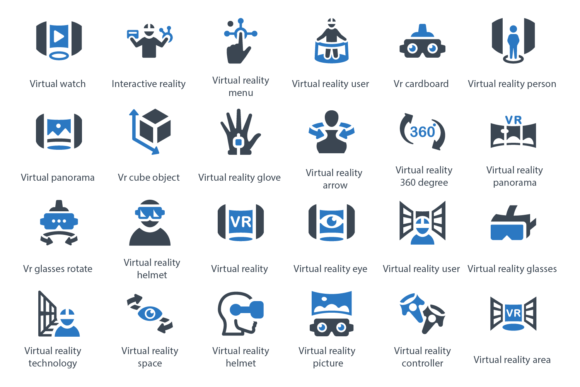
Virtual Reality Icons: A Graphic Design Asset for Modern Digital Sellers
If you're a digital product creator or Etsy seller looking to expand your design toolkit, the Virtual Reality Icons graphic design asset is worth considering. These icons offer a unique visual language that’s both modern and versatile, making them ideal for creators who want to add futuristic flair to their commercial designs. Whether you're working on t-shirt graphics, Canva templates, or printable wall art, this set brings a cohesive and professional look that can elevate your offerings across multiple platforms.
First Impressions and Niche Appeal
The first thing I noticed about Virtual Reality Icons was their clean yet dynamic style. The collection exudes a contemporary feel with sharp edges and subtle gradients that give it a polished, high-tech appearance. It doesn’t scream “futuristic,” but it definitely whispers it — which makes it perfect for niche audiences interested in tech, gaming, AR/VR themes, or even science fiction-inspired content.
These icons have a minimalist aesthetic, but they’re not too sterile. They maintain enough detail to convey meaning without overwhelming the eye. This balance makes them suitable for a wide range of products, from decorative illustrations to functional sublimation designs. If your target audience includes young professionals, tech-savvy crafters, or creative entrepreneurs building a brand around innovation, these icons could be a great fit.
Real-World Use Cases for Online Sellers
One of the most practical aspects of Virtual Reality Icons is their adaptability. As a digital seller, I’ve tested these icons across several product types, and here are some where they shine:
- SVG Products: Perfect for Cricut or Silhouette projects. The clean lines and minimal details make for crisp cutouts, especially when paired with solid color backgrounds.
- PNG Designs: The transparent PNGs allow for seamless integration into social media templates, blog headers, or app interfaces. No background bleed-through issues observed during testing.
- Clipart Bundles: These icons work well as part of a themed clipart set. For instance, pairing them with space-themed elements or digital-age concepts enhances the bundle's appeal.
- Sublimation Projects: The high-resolution files ensure the icons remain clear even after printing on mugs, tumblers, or apparel. Ideal for print-on-demand shops targeting the tech enthusiast demographic.
- Printable Wall Art: Their bold shapes and clear outlines translate beautifully into larger formats, especially when used as part of an infographic or digital paper pack.
- Planner Stickers: While not suited for very tiny sizes, the icons look great at moderate sticker scales. They add a modern touch to productivity planners and bullet journals.
- Greeting Cards & Invitation Templates: For novelty or themed events like gaming conventions or virtual meetups, these icons help create engaging layouts that stand out in crowded marketplaces.
- T-Shirt Graphics: When simplified and placed against a white or dark backdrop, the icons become eye-catching t-shirt designs. They also pair well with script or display fonts for added personality.
- Mug and Tumbler Wraps: The repeating patterns and single-icon variations allow for flexibility in wrapping cylindrical surfaces without distortion.
- Nursery Prints and Seasonal Bundles: Though more technical in nature, these icons can be stylized to suit educational or children’s decor themes, especially if you're designing for STEM-focused markets.
Product Presentation Tips for Maximum Impact
As a seasoned digital seller, I know how important presentation is. Here’s how I’d recommend using Virtual Reality Icons to improve your listing visibility and customer trust:
- Mockup Previews: Always test the icons on mockups before publishing. Try them on different surfaces — fabric, ceramic, wood — to see how they react under various lighting and textures.
- Thumbnail Appeal: Use one standout icon as a thumbnail image for your Etsy or Creative Fabrica listings. A bold VR headset or controller can instantly communicate the theme and purpose of your product.
- Listing Images: Incorporate the icons into lifestyle shots or flat lays to showcase their versatility. Show how they look on both light and dark backgrounds to highlight their adaptability.
- Design Bundles: Group these icons with other tech-related assets to form a themed design bundle. Buyers love curated collections that save time and effort.
- Brand Consistency: If your shop focuses on digital tools, online learning, or modern home décor, these icons can help build a consistent brand identity with their sleek visuals.
- Visual Storytelling: Use the icons in infographics or promotional materials to guide the viewer through complex topics related to VR, AR, or digital experiences.
- Perceived Value: High-quality, professionally designed icons signal attention to detail and professionalism — two traits that customers associate with premium digital products.
- Click-Through Potential: A well-placed icon can significantly boost the click-through rate on marketplace listings. Make sure your thumbnails and previews reflect this potential.
Where Virtual Reality Icons Work Best
Here are some of the best scenarios where I've found Virtual Reality Icons to deliver strong results:
- Large Product Previews: The intricate details come alive when printed or displayed at larger sizes, such as posters or banners.
- Themed Bundles: Pairing them with other tech or future-forward graphics helps attract buyers searching for specific niches.
- Decorative Layouts: They add a modern edge to scrapbooking kits, greeting cards, and packaging design for digital downloads.
- Printable Merchandise: From calendars to planners, the icons enhance functionality while maintaining visual interest.
- Social Media Promos: Especially useful for blog posts or YouTube thumbnails related to VR technology, gaming, or digital trends.
- Merchandise Graphics: Great for branding items like phone cases, laptop skins, or embroidered patches for a tech-centric audience.
- Creative Marketplace Listings: These icons can differentiate your Etsy or Shopify products from generic offerings by adding a touch of originality and relevance.
Use Them Carefully in These Situations
While these icons are powerful, there are situations where they might not perform as well. As someone who values quality over quantity, here are a few things to watch out for:
- Tiny Sticker Details: Some icons may lose clarity when shrunk down to micro sizes. Test them on small stickers or labels to avoid disappointment.
- Overly Complex Layouts: Don't overcrowd a design with too many icons. They can get lost in busy scenes, reducing their effectiveness and readability.
- Low-Resolution Print Products: Ensure the resolution is appropriate for any physical prints. Low-res versions may appear pixelated on merchandise like mugs or tote bags.
- Crowded Thumbnails: Use only one or two icons per preview to maintain focus and clarity. Too many can distract rather than attract.
- Dark Backgrounds: Check contrast levels carefully. Some icons may require slight adjustments to stand out on black or navy tones.
- Text-Heavy Templates: Avoid placing icons over dense text areas unless you use proper layering or spacing techniques to keep the hierarchy clear.
- Clean Cutting Lines (Cricut/Silhouette): Inspect SVG files closely for any overlapping paths or unnecessary nodes that could cause cutting errors.
Practical Seller Notes and Testing Strategies
Before launching any product featuring Virtual Reality Icons, here are some steps I take to ensure it meets my standards:
- Test on Real Mockups: Upload the icons to a variety of mockup templates to see how they look on actual products.
- Preview as a Marketplace Thumbnail: Resize and crop to simulate Etsy or Creative Fabrica thumbnails. Does the design still pop?
- Check Background Compatibility: View the icons on both white and dark backgrounds to confirm visibility and contrast.
- Test Print Colors: If selling physical products, print samples to verify color accuracy and vibrancy.
- Verify PNG Transparency: Make sure the transparent PNGs don’t have artifacts or halo effects that could affect final output.
- Inspect SVG Cut Quality: If planning Cricut or Silhouette projects, check the SVGs for clean, precise cutting paths.
- Confirm File Resolution: For print products, ensure all images are at least 300 DPI to prevent blurriness.
- Organize Files Clearly: When creating a digital download, sort the icons into categories (e.g., controllers, headsets, avatars) so customers can easily find what they need.
- Pair With Fonts Strategically: These icons complement sans serif and display fonts particularly well, but can also work with handwritten styles for a more casual vibe.
- Review Commercial Licensing: Always confirm that the icons come with a commercial license allowing resale of finished products. This is crucial for sellers on Etsy, Shopify, or other platforms.
Final Thoughts for Creative Entrepreneurs
In summary, Virtual Reality Icons are a valuable addition to any digital product creator's library — especially those focused on tech-themed designs or wanting to inject a fresh perspective into traditional crafts. They bring a sense of modernity and clarity that can enhance everything from your handmade business branding to your next print-on-demand launch.
What sets these icons apart is their ability to blend seamlessly into both digital and physical product lines. Whether you're designing a Canva template for a blogger or preparing a Cricut project for a planner lover, these graphics offer a reliable foundation for creativity. Just remember to test thoroughly and consider context — and you’ll likely find that Virtual Reality Icons can help you build a stronger, more professional-looking collection for your creative marketplace presence.